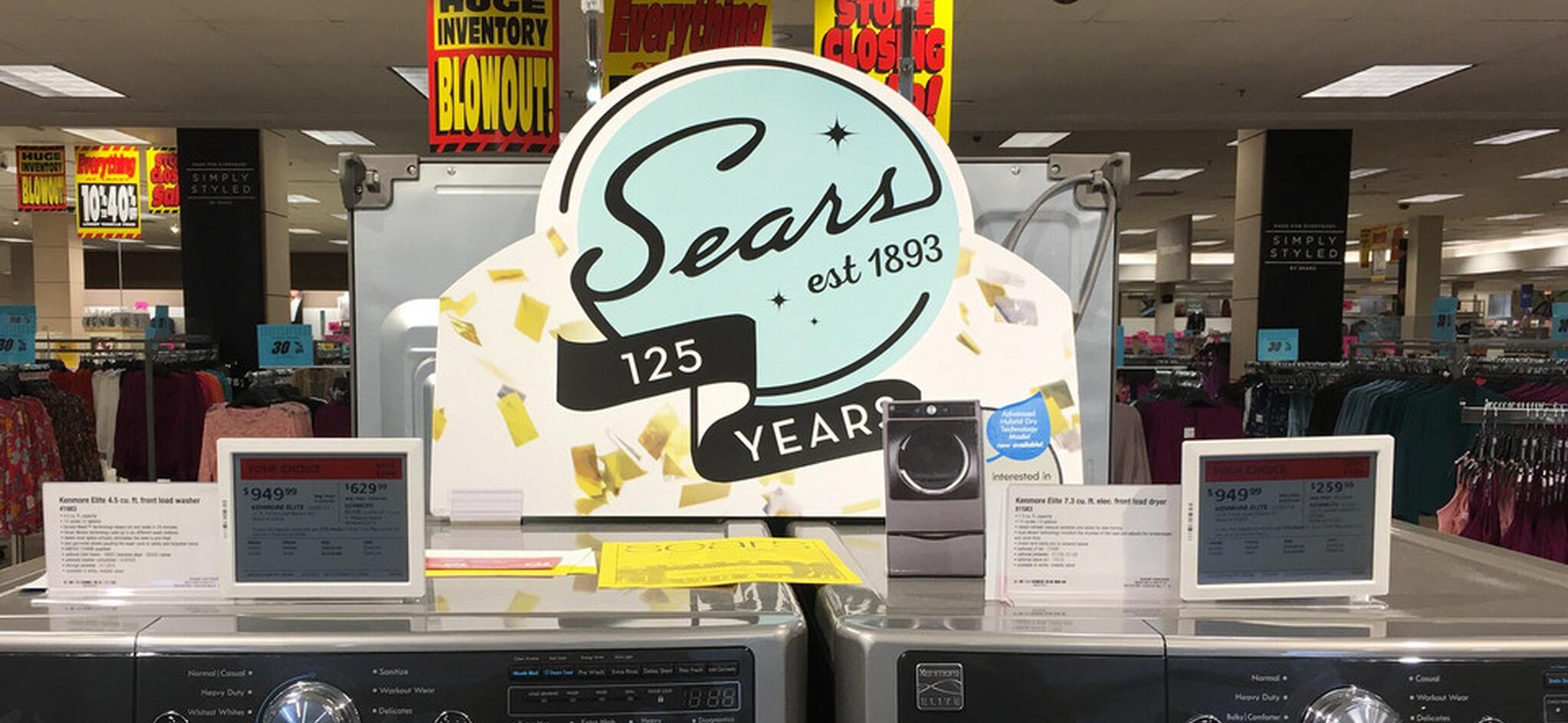
The Grim Reaper of Retail finally came for the Stockton Sears store, which will close on Aug 16. It may not seem like it now, but that moth-eaten store had a huge impact on Stockton.
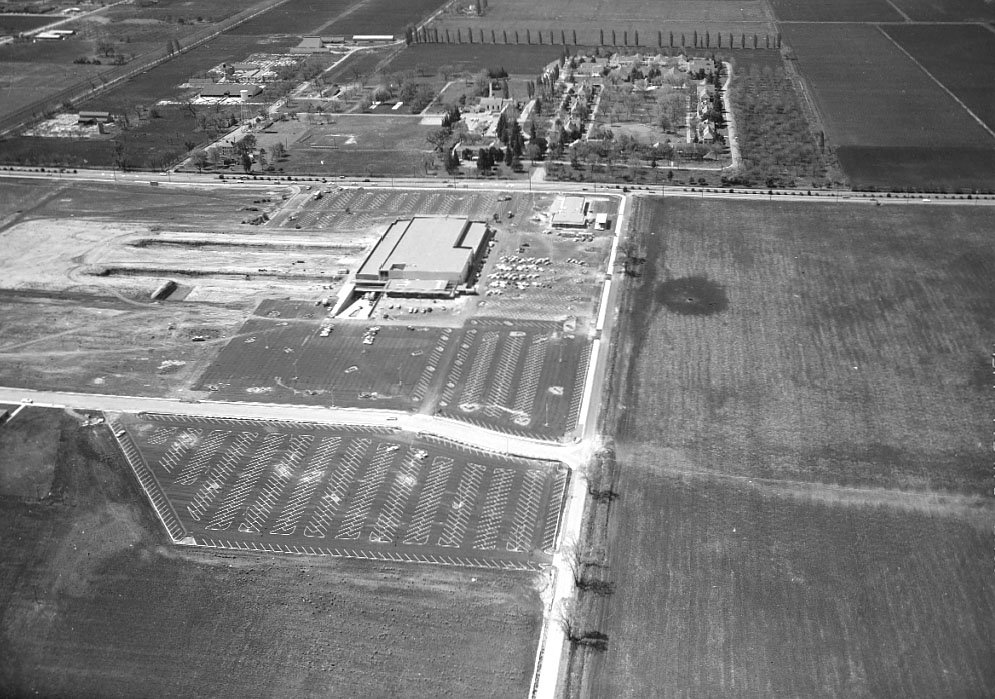
It shouldn’t be overstated — there were other factors — but Sears’ early 1960s relocation from East Oak Street to the growing northside turbocharged Stockton’s northward sprawl.
“I think it’s one of the most consequential things that happened in Stockton,” said Tod Ruhstaller, the former curator of history and CEO of The Haggin Museum. “That changed everything. I think it encouraged more growth out, more neglect of the old core of the city.”
It’s probably hard for younger people to grasp how big Sears was back then. It was the retail powerhouse, a colossal combination of WalMart and Amazon, of brick-and-mortar retail and a mail-order catalog, the world’s biggest retailer based in the world’s tallest skyscraper.
We’re talking 760 stores plus 11 million catalogs in circulation.
“They demonstrate the confidence of Sears Roebuck and Montgomery Ward in Stockton’s future …” proudly opined The Stockton Record in a Jan. 27, 1962 editorial.
The ed boys sagely continued, “We do not regard this as an especially gloomy omen for the central district or for the prospects of West End redevelopment. Stockton’s growth … gives assurance that downtown vitality can be maintained.”
The West End was the west end of downtown Stockton, its skid row.
At a luncheon following the mall’s groundbreaking, Weber and the store’s first manager, James O. Williams, confidently stated that mall sprawl would not harm the city’s commercial core.
“I think downtown will prosper as well …” Weber said, perhaps with fingers crossed.
“We’re not intending to hurt downtown Stockton,” Williams said. “We’re increasing the power of the magnet.”
But neither the magical magnet, nor West End redevelopment, which failed, nor any other Band-Aid preserved downtown’s once-amazing vitality. Stockton’s commercial core suffered the fate of the Blackberry when the iPhone was introduced. The malls became the city center, the new Hunter Square, only less civic, more boujie.
It’s ironic that nowadays not only are mall anchors such as Sears failing but malls themselves. Maybe Jeff Bezos told them Amazon would increase the power of the magnet.

Anyway, to come to the present, Sears is liquidating everything from clothes to display fixtures and mannequins.
Customers expressed mixed feelings.
Terryl Smith: “It’s been around a long time and it was good for appliances, so I hate to see it go out of business because of that.”
Santiago Montanez: “I don’t feel too much in regards to it shutting down.” Montanez added that his friends and family say, “Oh, my God, I can’t believe this store is still here.”
Good question. The mall’s owner, Washington Prime Group as well as Sears’ liquidation agent and Weberstown management declined to answer.
Stockton’s Economic Development Director, Carrie Wright, doubted the building will end up vacant.
“I think that’s a great location for the right business, so I’m not overly concerned,” Wright said.
Stockton’s planning remained so developer-driven that had the Sierra Club not sued over the city’s sprawlish 2035 General Plan the city probably would have built more malls on greenfields and merged with Lodi by now. But the General Plan Settlement Agreement limits sprawl and requires infill and smarter growth.

To close, some Sears trivia.
· Sears’ basement doubled as Stockton’s largest bomb shelter. It housed 25 tons of civil defense biscuits, water cans, and sanitation kits, enough so an amazing 5,840 people could survive two weeks after the enemy dropped the Big One.
· Sears had a pet shop. It sold monkeys.
· In 1989, store security detained a little old lady for shoplifting. She gave police an alias. But the cops soon realized who they had on their hands: Winnie Ruth Judd, the notorious “Tiger Lady.” In 1931 in Phoenix, Judd murdered her two roommates, stuffed their dismembered limbs in a trunk, and shipped them via train to Los Angeles. She planned to dump them in the ocean. But a railroad agent noticed blood seeping from the trunk. A court ruled Judd insane and sent her to a sanitarium. Released in 1971, she moved to Stockton because, of course. On the shoplifting charge a judge sentenced her to informal probation.
Originally published 2024-07-03 11:25 at Stocktonia.
Related posts:

Why is Sears so successful in Mexico despite its failure in the US?

Kenmore Appliance Manufacturers

2019: Sears warehouse closing; 121 to lose jobs

The Employee-Customer-Profit Chain at Sears

1966 Sears Excellence Award